
How Long Does a Bathroom Remodel Take? A Realistic Timeline
· By Marcio Ferreira
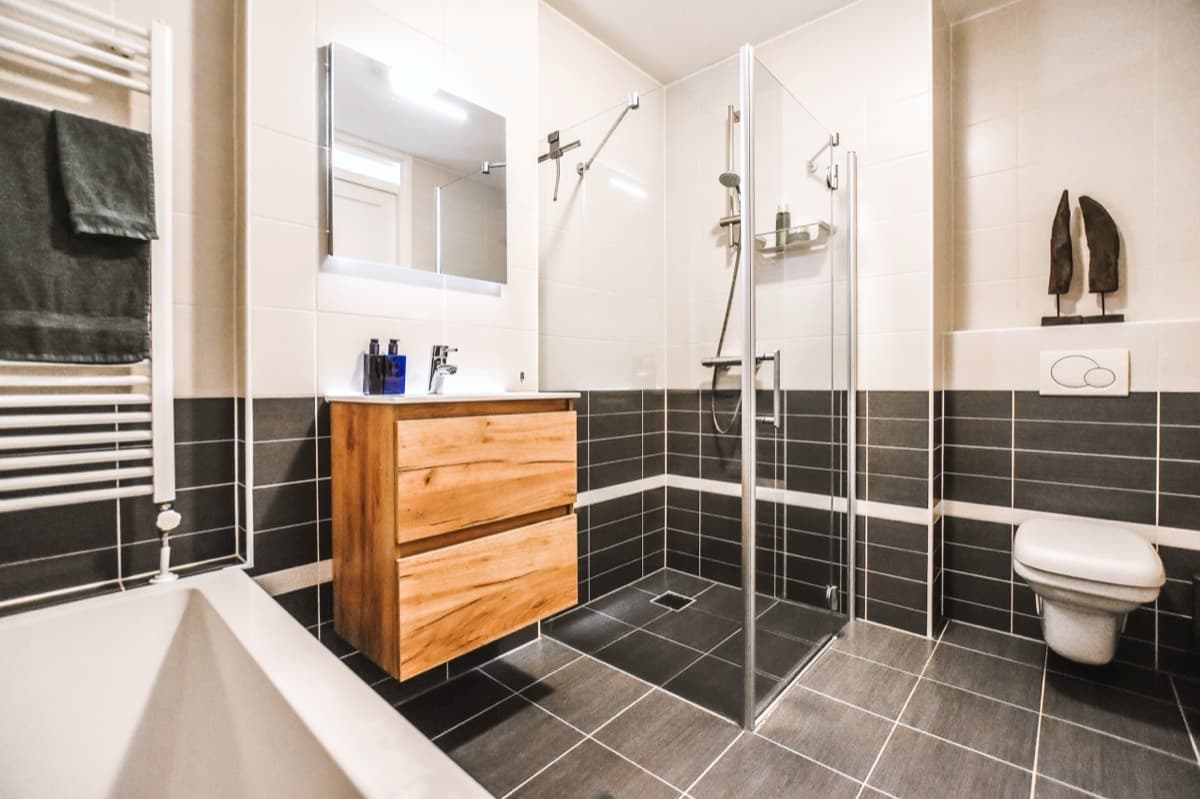
One of the first questions homeowners ask before starting a bathroom project is how long they will be without a working bathroom. It is a fair question, especially in a one or two-bathroom home where every day counts. The honest answer is that most bathroom remodels take somewhere between two and four weeks of active work, though the exact number depends on the size of the room, how much you are changing, and whether any surprises show up once the walls are open.
Below is a realistic week-by-week look at how the work actually flows, from demolition to the final coat of paint. We serve homeowners across the Boston North Shore, including many older homes in and around Peabody, so this timeline reflects real job sites rather than a best-case brochure number. Knowing what happens each week helps you plan around it and spot the difference between a normal pace and a project that has stalled.
Week 1: Demolition and Rough-In
The first week is loud and fast. The crew protects your floors and hallways, then removes the old tile, vanity, tub or shower, and any drywall that has to come out. Demolition on a standard bathroom is usually a day or two. The dust and debris are hauled out, and the room is stripped down to the studs and subfloor.
Right after demo comes rough-in. This is where the plumber and electrician move pipes, drains, and wiring to match the new layout. If you are keeping fixtures in the same spots, rough-in goes quickly. If you are relocating the toilet, moving the shower, or adding a new vanity light, this stage takes longer because it is the plumbing and electrical bones of the whole project. Nothing else can move forward until the rough-in passes inspection.
Week 2: Waterproofing, Tile, and the Cure You Cannot Rush
Once the rough-in is set, the walls and floor get closed up with moisture-resistant backer board, and the wet areas get waterproofed. This is the step that protects your home from leaks for years, so it should never be rushed or skipped. In an older home, this is also where hidden water damage from a past leak sometimes turns up and needs repair before the new surfaces go in.
Then comes tile. Setting tile in a shower and on the floor is careful, detailed work, and it is one of the biggest reasons a bathroom remodel takes as long as it does. After the tile is set, the mortar and grout need time to cure. That cure is a real, physical wait, not padding in the schedule. Pushing fixtures onto tile that has not fully set is how you end up with cracks and loose pieces later.
Week 3: Fixtures, Vanity, and Trim
With the tile cured, the room starts to look like a bathroom again. The crew installs the vanity, sink, faucet, toilet, shower valve and door, mirror, and lighting. Plumbing and electrical connections are finalized and tested. This stage moves quickly when everything has already arrived on site.
This is exactly why we ask homeowners to have fixtures and finish materials picked out and ordered early. A single back-ordered vanity or a custom shower door on a long lead time can hold up an otherwise finished room. Ordering ahead is one of the simplest things you can do to keep the timeline honest.
Week 3 to 4: Paint, Finish, and Final Walkthrough
The last stretch is finish work: caulking, trim, painting the walls and ceiling, installing hardware and accessories, and a thorough cleanup. Paint needs proper dry time between coats, and caulk needs to cure before the shower gets used. These small waits add up, but they are what make the finished room look sharp and hold up over time.
We close out with a walkthrough so you can see everything working and point out anything that needs a touch-up before we call it done. Because we handle post-construction cleaning as part of the job, you get the bathroom back clean and ready to use, not covered in dust with a punch list still hanging over it.
What Actually Causes Delays
Three things push bathroom timelines out more than anything else. First, tile and custom items. Intricate tile patterns take longer to set, and custom or special-order vanities, glass, and fixtures can carry long lead times, so a delay at the supplier becomes a delay in your home. Second, material decisions made mid-project. Changing your mind on the tile or layout after demo means reordering and waiting.
Third, and very common in older North Shore homes, are the surprises behind the walls. Outdated plumbing, knob-and-tube wiring, rot around an old tub, or an out-of-level floor can all add days once they are exposed. None of these mean anyone did anything wrong. They are simply what an older house hands you, and a crew with experience in these homes plans for the possibility instead of being caught off guard.
Why One Crew Shortens the Whole Timeline
A lot of lost time on a remodel is not spent working. It is spent waiting for the next trade to show up. When a project is handed between separate subcontractors, there are gaps between demo, plumbing, tile, and finish, and each handoff is a chance for a day to slip.
Because our crew handles the whole job from demolition through the final coat of paint, those gaps shrink. The same team that opens the walls closes them up, sets the tile, and finishes the trim, so the schedule stays continuous instead of stop-and-start. That coordination, plus keeping the job site clean and showing up when we say we will, is usually the difference between two weeks and four.
Small Update Versus Full Gut
Not every bathroom project is a multi-week undertaking. A cosmetic refresh, such as a new vanity, fresh paint, updated fixtures, and new hardware while keeping the existing tile and layout, can often be done in several days. You keep the plumbing and tile where they are, so you skip the longest stages.
A full gut is a different animal. When you remove everything down to the studs, relocate plumbing, redo waterproofing, and set all-new tile, you are into the two to four week range. Knowing which project you actually want helps set the right expectation, and that is something we walk through with you during a free in-home estimate before any timeline is promised.
Frequently asked questions
- How long does a bathroom remodel take on average?
- Most full bathroom remodels take about two to four weeks of active work. A smaller cosmetic update that keeps the existing layout and tile can be done in a few days, while a full gut with relocated plumbing and all-new tile sits at the longer end. The exact timeline depends on the size of the room, how much is changing, and material lead times.
- Why does tile add so much time to a bathroom remodel?
- Tile is detailed work to set correctly, and once it is set, the mortar and grout need time to cure before anything heavy goes on top of them. That cure is a real physical wait, not scheduling padding. Rushing it leads to cracked or loose tile down the road, so the time it takes is time well spent.
- Can I use my bathroom during the remodel?
- Usually not the one being remodeled. During demolition, rough-in, and tile curing, that bathroom is out of service. If it is your only bathroom, plan ahead for that stretch. We work to keep the disruption as short as possible by keeping the schedule continuous and the job site clean.
- Why do older homes take longer to remodel?
- Older homes, which are common across the North Shore, often hide surprises behind the walls: outdated plumbing, old wiring, water damage, or floors that are not level. These only become visible once the room is opened up, and fixing them properly adds time. A crew experienced with older homes plans for the possibility instead of being caught off guard.
- How can I keep my bathroom remodel on schedule?
- Pick and order your fixtures, tile, and vanity early so nothing is on back-order when the crew is ready for it, and avoid changing major decisions mid-project. Working with one crew that handles the whole job also removes the gaps between trades that slow projects down. We cover all of this during your free in-home estimate.
Related services
Serving
Ready for an exact price?
Get a free, no-pressure in-home estimate. Real numbers for your home, not a phone guess.