How Much Does It Cost to Paint a House Exterior on the North Shore?
· By Marcio Ferreira
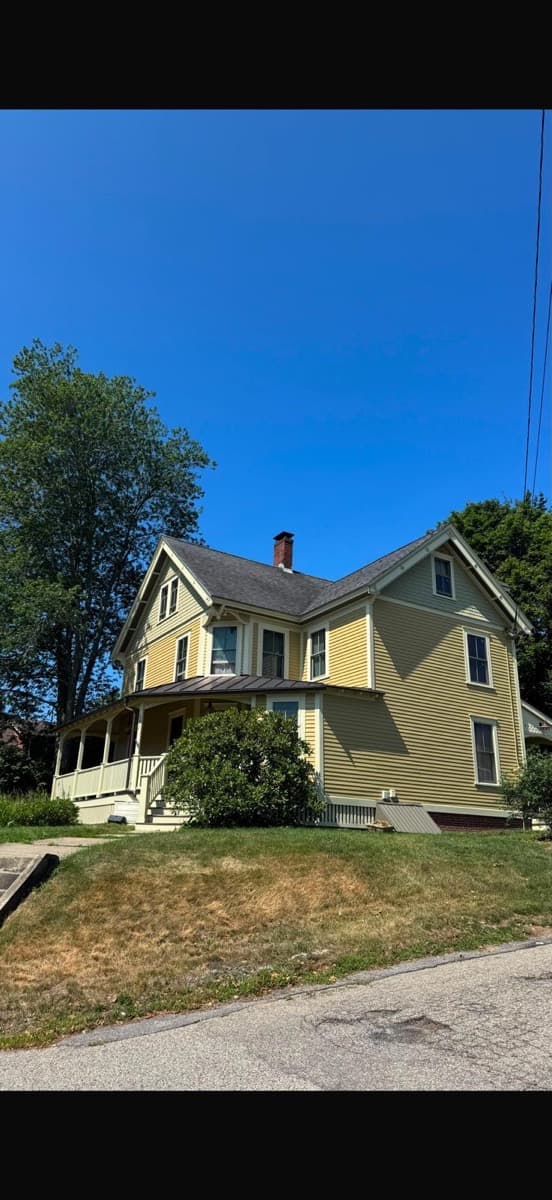
Exterior painting is one of those jobs where the price tells you almost nothing until you know what is behind it. Two quotes for the same house can be hundreds or thousands of dollars apart, and the gap usually is not markup. It is prep. The cheaper number is often skipping the washing, scraping, priming, and caulking that decide whether your paint lasts three years or ten.
On the North Shore, that difference matters even more. Homes in Beverly, Marblehead, and along the coast take a beating from salt air, wind, and sharp seasonal swings, and paint that was rushed on fails fast here. This guide covers what a real exterior job includes, how siding type and coastal exposure change the cost, honest market ranges, and how to read a quote so you know whether you are paying for a lasting finish or a fresh look that peels by next summer.
What a Real Exterior Job Includes
A proper exterior paint job is mostly preparation, and the painting is almost the reward at the end. It starts with a thorough power wash to strip off dirt, chalking, mildew, and loose material, because paint will not bond to a dirty surface. Skip that and even the best paint peels within a season or two.
Next comes scraping and sanding every failing area, spot-priming bare wood and stains, and caulking gaps around trim, windows, and seams to seal out water. Only then do the finish coats go on, and quality work means two full coats for even color and real protection. A crew that treats prep as the main event, and does the whole job start to finish without a rushed handoff, is what turns a paint job into a finish that holds up through New England winters. On our jobs, one crew owns the project from wash to final coat, and the site stays clean along the way.
How Siding Type Changes the Price
The material on your walls is one of the biggest cost drivers. Clapboard and traditional wood siding, common on older North Shore homes, have a lot of surface, edges, and seams to prep and coat, and they often carry old paint layers that need scraping. Cedar shingle and shake siding is even more surface-hungry: all those individual edges and the rough texture mean more paint and slower application, so a shingled home generally prices higher than a smooth-sided one of the same footprint.
Vinyl and previously painted composite sidings behave differently again. Vinyl can be painted, but it needs the right product and careful color selection so it does not warp from heat absorption, which is specialized work rather than a discount job. The takeaway: siding type is not a detail, it is a headline factor in your quote, and a good estimate names it.
Why Coastal North Shore Homes Need More Prep
Living near the water on the North Shore is worth it, but salt air is hard on paint. Salt and constant moisture accelerate chalking, mildew, and adhesion failure, so a coastal home in Beverly or Marblehead often needs more aggressive washing and more thorough prep than an inland home to get the same lifespan out of a finish.
Sun and wind matter too. South and west faces that take the most weather usually fail first, so a careful painter inspects each elevation separately rather than pricing the house as one uniform surface. This is why coastal jobs reward experience with New England conditions: the extra prep is not padding, it is the reason your investment survives a few winters instead of peeling by the next summer.
Rough Cost Ranges (With the Honest Caveats)
As a broad market guide, professional exterior repaints in Massachusetts often run from the low thousands for a smaller, simple home into the higher thousands for larger homes, multi-story work, heavy prep, or detailed trim. Painters frequently think in a per-square-foot range for the siding plus separate pricing for extensive scraping, carpentry repairs, and hard-to-reach areas. These are typical market ranges, not a fixed MF price.
Several things push a number to the top of the range: peeling old paint that needs heavy scraping, multiple stories requiring staging or ladders, ornate trim, color changes that demand extra coats, and rotted wood that has to be repaired first. Because so much depends on condition and exposure, we do not quote exterior work sight unseen. A free in-home estimate is the only way to price this honestly, and it is the difference between a quote that holds and one that grows.
What a Cheap Quote Is Skipping
When one exterior quote is dramatically lower than the others, the discount almost always comes out of prep. The common cuts are skipping or rushing the power wash, scraping only the worst spots instead of all failing paint, skipping primer on bare wood, thin or missing caulking, and applying a single coat instead of two. None of that shows on day one, and all of it shows within a year or two.
Watch for vague language too. A quote that just says "paint exterior" with no mention of washing, scraping, priming, caulking, coat count, or the paint product is one you cannot trust or compare. The goal is not to find the cheapest painter, it is to find the one whose price buys a finish that lasts. On the North Shore, where the weather does not forgive shortcuts, paying a bit more for real prep is almost always the cheaper choice over the life of the paint.
Getting an Accurate Estimate
A strong exterior estimate is itemized and specific. It should describe the wash, the scraping and sanding, priming of bare and repaired areas, caulking, the number of finish coats, and the exact paint brand, line, and sheen. It should list any carpentry or rot repair separately, and note what is excluded, so nothing is a surprise later.
Ask who does the work and whether the same crew handles the whole job, and how they protect landscaping, windows, and walkways. A contractor who paints Victorians and older New England homes, and once handled a historic church exterior, will talk comfortably about prep, product, and protecting the surfaces around the work. Then get the visit: a short, free in-home estimate lets someone see your siding, your exposure, and the real condition of the paint before quoting, whether you are in Beverly, Swampscott, Lynn, or anywhere else on the North Shore.
Frequently asked questions
- How much does it cost to paint the exterior of a house on the North Shore?
- Exterior painting on the Massachusetts North Shore commonly runs from the low thousands for a smaller, simple home into the higher thousands for larger, multi-story, or heavy-prep jobs. The price depends on siding type, square footage, the number of stories, how much scraping and repair the old paint and wood need, trim detail, and coastal exposure. Salt air and weather on the North Shore often mean more prep to make the finish last. These are typical market ranges, not fixed prices, and the only accurate number comes from a free in-home estimate where each side of the house is inspected.
- What is included in a proper exterior paint job?
- A proper exterior job is mostly prep. It starts with a thorough power wash to remove dirt, chalking, and mildew, then scraping and sanding all failing paint, spot-priming bare wood and stains, and caulking gaps around trim, windows, and seams to seal out water. Only after that do the finish coats go on, and quality work uses two full coats for even color and lasting protection. If a quote does not mention washing, scraping, priming, caulking, and coat count, it is likely skipping the steps that make paint last.
- Why does coastal salt air affect exterior painting?
- Salt air and constant moisture near the coast speed up chalking, mildew growth, and paint adhesion failure, so homes near the water on the North Shore, like those in Beverly and Marblehead, usually need more thorough washing and prep than inland homes to get the same lifespan from a finish. Sun and wind exposure add to it, and the south and west faces that take the most weather often fail first. This is why coastal jobs reward careful, per-elevation prep and experience with New England conditions rather than a rushed, one-size application.
- Why is one exterior painting quote so much cheaper than the others?
- A dramatically lower exterior quote almost always saves money by cutting prep, not markup. Common shortcuts include skipping or rushing the power wash, scraping only the worst spots instead of all failing paint, leaving bare wood unprimed, thin or missing caulking, and applying a single coat instead of two. None of that is visible on day one, but paint applied over a dirty or failing surface tends to peel within a year or two, so you end up paying again. A vague quote with no prep or product details is usually the warning sign.
- How often should I repaint my home's exterior in New England?
- There is no single number because it depends on siding, exposure, and the quality of the last job, but many New England homes need exterior repainting somewhere in the range of several years to a decade apart. Coastal and heavily weather-exposed homes on the North Shore often fall toward the shorter end because salt air and sun are hard on paint, while sheltered homes with a well-prepped, two-coat finish last longer. Watching for peeling, chalking, fading, and cracked caulk on the sunniest and windiest sides tells you when it is time, and a free inspection can confirm it.
Related services
Serving
Ready for an exact price?
Get a free, no-pressure in-home estimate. Real numbers for your home, not a phone guess.