How to Choose a Painting Contractor in Massachusetts (10 Questions to Ask)
· By Marcio Ferreira
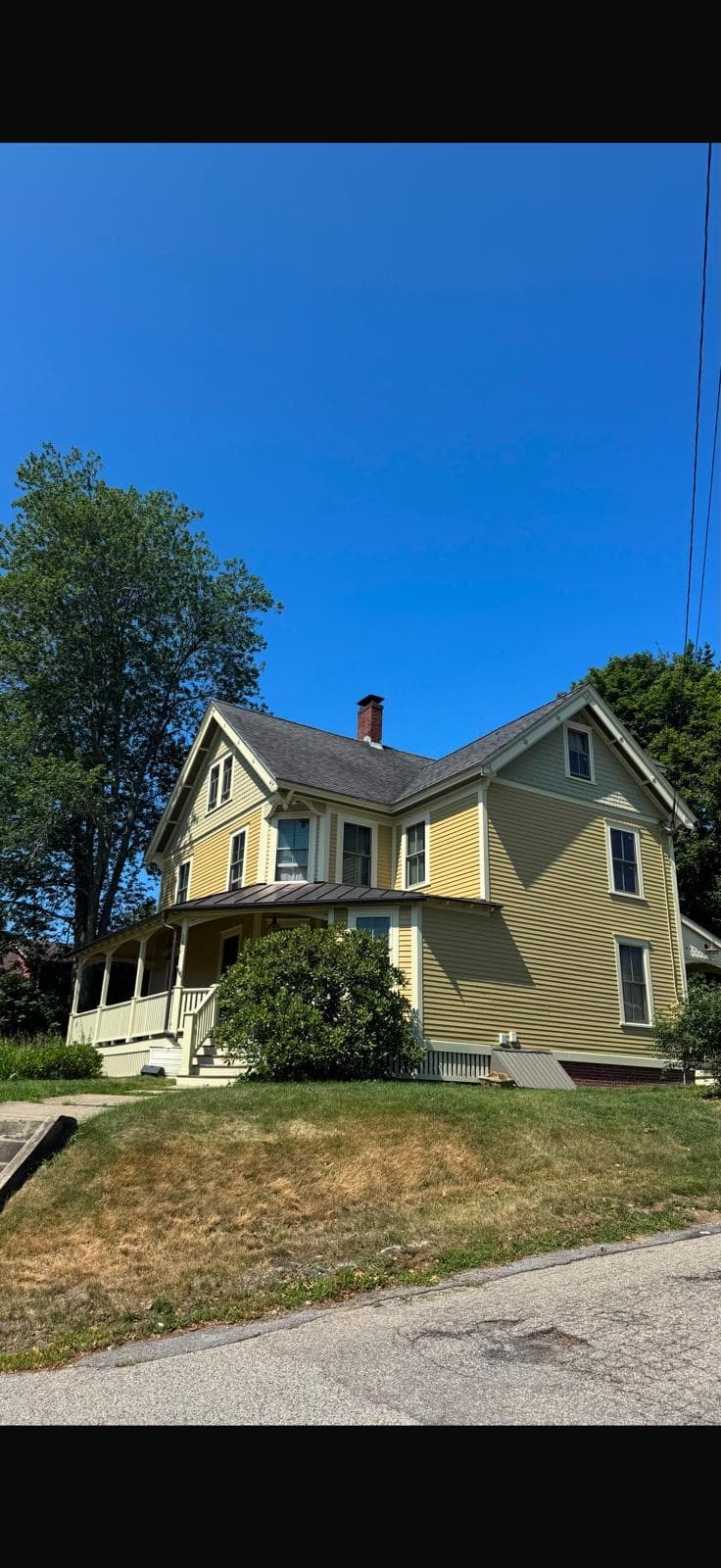
Choosing a painting contractor is one of those decisions where the lowest number on the page can cost you the most in the long run. A paint job that fails early means peeling, callbacks, and paying twice. On the North Shore, where older homes and hard weather are the norm, the difference between a careful crew and a rushed one shows up on your siding within a year or two.
The good news: you do not need to be an expert to hire well. You need a short list of the right questions and the confidence to ask them before you sign anything. The questions below cover insurance, preparation, lead-safe rules for older homes, who actually does the work, and the red flags that should send you looking elsewhere. Ask all ten and you will quickly see which contractors take the work seriously.
1. Are You Insured, and Can I See a Written Itemized Scope?
Start here because it protects you the most. Ask whether the contractor carries insurance and ask for a written scope that lists what is included: surfaces, number of coats, prep steps, and cleanup. A verbal quote or a single lump-sum number with no detail leaves too much room for cut corners once work begins.
A written itemized scope also gives you a fair way to compare bids. When two quotes are far apart, the detail usually explains why. One may include full surface prep and two finish coats while the other quietly assumes one coat over whatever is already there. You cannot see that difference in a total, only in the line items.
2. What Does Your Prep Process Actually Look Like?
Prep is where paint quality lives or dies. Ask the contractor to walk you through it step by step: scraping loose paint, sanding rough edges, cleaning surfaces, spot-priming bare spots, and caulking gaps before a finish coat goes on. A crew that talks fluently about prep is a crew that does it.
Be cautious with any painter who leads with speed. Fast is fine when it comes from an efficient, experienced crew, but fast should never come from skipping prep. On exteriors especially, thorough prep is the single biggest reason a coating lasts years longer than the cheap version next door.
3. Do You Follow Lead-Safe Rules on Older Homes?
Many North Shore homes were built before 1978, which means lead paint is a real possibility. For pre-1978 homes, federal rules require lead-safe work practices, such as containing dust and cleaning up properly, when disturbing painted surfaces. Ask the contractor how they handle this on older houses.
This is not a formality. Improper sanding or scraping on a lead-painted home can spread dust that is genuinely harmful, especially with kids around. A contractor who takes the question seriously and explains their containment approach is showing you they know the homes in this area and take safety as part of the job, not an afterthought.
4. Who Actually Does the Work: One Crew or Subcontracted Labor?
There is a real difference between a company that runs its own consistent crew and one that hands your job to whatever subcontracted labor is available that week. With one crew, the same people who quoted the work are accountable for the finish, and standards stay steady from start to close.
At MF Remodeling Services, one crew handles the whole job. That means the person you meet at the estimate is connected to the people on your ladder, and quality does not change halfway through. When you ask this question, listen for a clear answer about who will be in your home and whether they change from day to day.
5. Can I See Real Local Reviews and References?
Ask for reviews you can verify and, ideally, a couple of local references. A contractor working in Peabody, Salem, Danvers, or Beverly should be able to point to real jobs and real feedback nearby. MF Remodeling Services is family and owner-operated with a 5.0 rating on Google, which reflects steady work across North Shore homes.
References matter most when you ask the right follow-up: Did the crew show up when they said they would? Was the job site clean at the end of each day? Would you hire them again? Honest answers to those three questions tell you more than any glossy photo gallery.
6. How Do I Read This Quote Line by Line?
Once you have a written quote, go through it with the contractor. Confirm the number of coats, the specific surfaces included, whether prep and priming are itemized, and what is excluded. Ambiguity in a quote tends to become a change order later, so clear it up before work starts.
Pricing varies with the size of the home, its condition, and the products chosen, so treat any figure you find online as a typical market range rather than your price. The only reliable number comes from a free in-home estimate where someone actually sees your surfaces. A good contractor will happily explain how they arrived at their figure.
7. What Are the Red Flags to Walk Away From?
A few signals should make you pause. Cash-only demands, no verifiable business address, and heavy pressure to sign today are the classic warning signs. So is a deposit request for most of the total before any materials arrive. None of these guarantee a problem, but together they point to risk.
Trust the pattern, not a single item. A painter who gives a detailed written scope, welcomes your questions about insurance and lead-safe practices, keeps a clean and on-time job site, and does not rush you is showing you exactly how they will treat your home. That is the contractor worth hiring.
Frequently asked questions
- How many painting quotes should I get?
- Two or three written, itemized quotes is a sensible range. That is enough to compare prep steps, number of coats, and included surfaces without dragging the process out. When quotes differ a lot, the detailed line items usually explain why, so always ask for itemized scopes rather than lump-sum totals.
- Why does prep matter so much for exterior paint?
- Prep is what makes a coating bond and last. Scraping loose paint, sanding, cleaning, spot-priming, and caulking gaps all help the finish coat stick and seal out moisture. On the North Shore, where salt air and freeze-thaw cycles are tough on siding, skipped prep is the most common reason a paint job fails early.
- What are lead-safe rules and do they apply to my home?
- For homes built before 1978, lead paint is a real possibility, and federal rules require lead-safe work practices when disturbing painted surfaces, such as containing dust and cleaning up carefully. Many older North Shore homes fall into this category, so ask any contractor how they handle lead-safe practices before work begins.
- Is one crew better than subcontracted labor?
- One consistent crew usually means steadier quality and clearer accountability, because the same people are responsible from the estimate through the final coat. MF Remodeling Services runs one crew on the whole job, so standards do not change midway. Always ask a contractor whether the workers in your home stay the same day to day.
- Can you tell me the price before an estimate?
- Not accurately. Painting cost depends on the size of the home, the condition of the surfaces, and the products chosen, so any online figure is only a typical market range. A free in-home estimate, where someone actually inspects your surfaces, is the only way to get a real number for your project.
Related services
Ready for an exact price?
Get a free, no-pressure in-home estimate. Real numbers for your home, not a phone guess.