Painting & Remodeling in Salem, MA: A Guide for Historic Homeowners
· By Marcio Ferreira
Salem is not a typical suburb, and its homes are not typical either. The city holds one of the oldest housing stocks in the country: Federals, early Colonials, and Victorians that have stood for well over a century. Streets like Chestnut Street in the McIntire Historic District, the homes around Salem Common, and the older houses along Derby Street and near The Point carry real architectural history. Painting and remodeling these homes takes a different mindset than working on new construction.
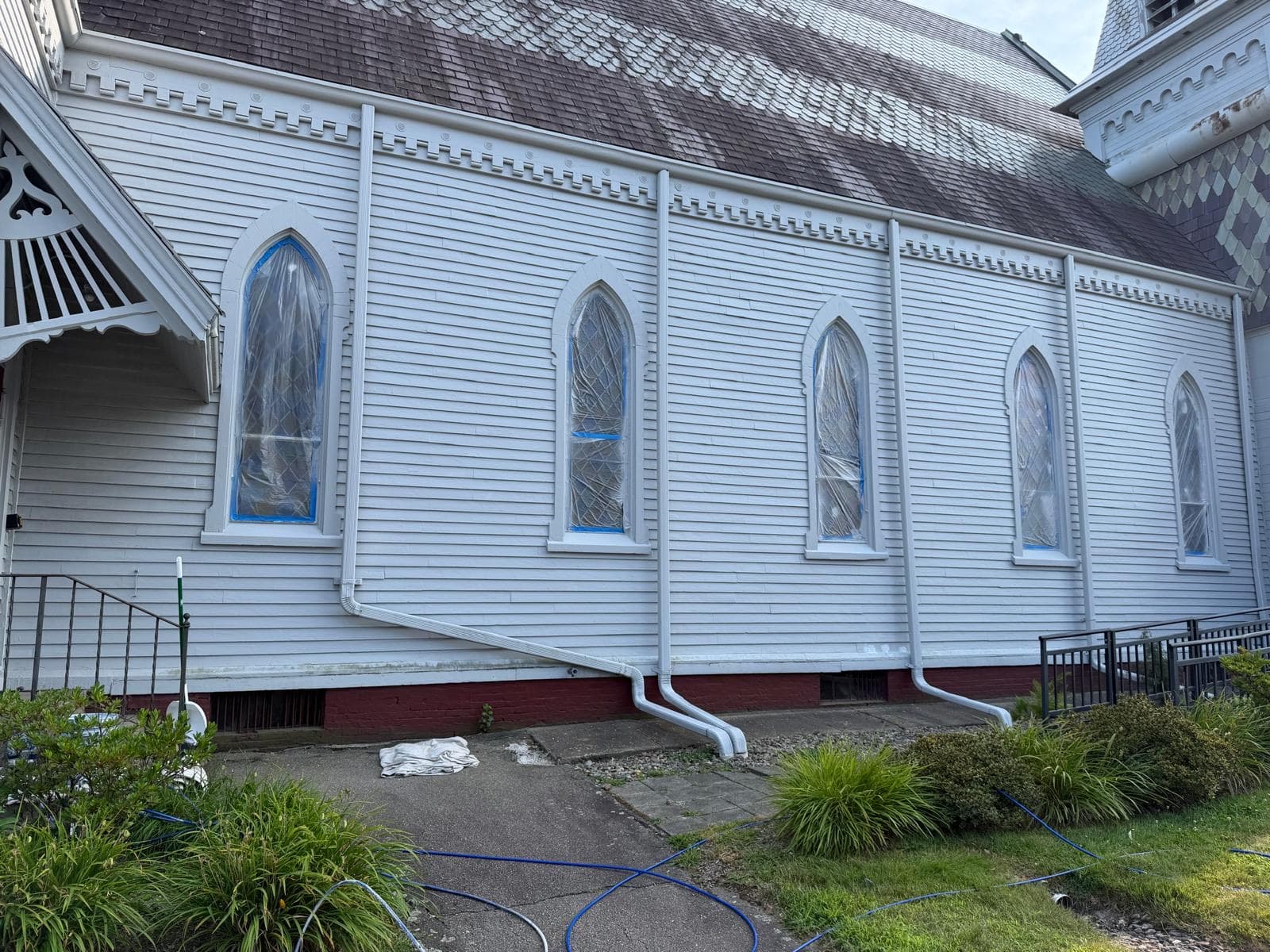
MF Remodeling Services has hands-on experience with exactly these kinds of homes. We have painted a historic church exterior and worked on Victorians, the sort of older, detailed structures that punish shortcuts and reward patient, careful work. This guide covers what it actually takes to paint and update a historic home in Salem, from lead-safe preparation on pre-1978 houses to preserving the character that makes these homes worth owning.
Why Salem's Housing Stock Needs a Different Approach
Much of Salem was built long before modern materials and methods. Around the McIntire Historic District, near Salem Common, and along the older stretches of Bridge Street and Derby Street, you find wood siding, detailed trim, and interior plaster that behave nothing like today's drywall and vinyl. These materials age in specific ways, and they need to be handled by someone who understands them.
A crew used to new builds can do real damage to a historic home by rushing prep, using the wrong approach on old wood, or cracking original plaster. The homes in Salem ask for a slower, more deliberate process. That is where genuine experience with older houses, the kind we have built painting Victorians and a historic church exterior, makes a practical difference in the finished result.
Lead-Safe Prep on Pre-1978 Homes
This is the single most important point for Salem homeowners. Homes built before 1978 very likely contain lead paint somewhere in the layers, and a large share of Salem's housing predates that line by decades. Federal rules require lead-safe work practices, such as containing dust and cleaning up carefully, whenever painted surfaces are disturbed on pre-1978 homes.
This is not red tape, it is safety. Sanding or scraping lead paint without proper containment spreads dust that is genuinely harmful, especially in a home with children. A contractor who takes this seriously, contains the work area, and cleans up thoroughly is protecting your family, not just following a rule. When you hire for a historic Salem home, ask directly how the crew handles lead-safe prep, and expect a clear answer.
Painting and Restoring Historic Exteriors
Exterior painting on a Salem Federal or Victorian is mostly about preparation. Old wood siding and trim need loose paint scraped away, surfaces sanded and cleaned, bare wood spot-primed, and gaps caulked before any finish coat. Skip those steps on a historic exterior and the coating will not hold, no matter how good the paint is. Done right, a careful exterior job protects the wood and preserves the look for years.
Detailed trim, cornices, and the ornamental woodwork common on Victorians take extra time and a steady hand. Our experience painting a historic church exterior and Victorian homes means we approach this kind of work as restoration, not just recoating. The goal is a clean, lasting finish that respects the original architecture rather than flattening its detail.
Working Within Salem's Historic Character
In historic districts like the area around the McIntire Historic District, homeowners often care deeply about keeping their home consistent with its period and its neighbors. That means color choices, finishes, and repairs that fit the character of the street rather than fighting it. A good contractor works with that intent instead of pushing generic, modern shortcuts.
Some historic areas also have their own review considerations for exterior changes, so it is worth confirming any local requirements before major exterior work. Our part is to do the painting and carpentry to a standard that suits these homes: careful, detail-aware, and respectful of what makes a Salem house look like a Salem house.
Old Plaster Interiors and Drywall Updates
Inside older Salem homes, walls and ceilings are often original plaster rather than drywall. Plaster can crack, sag, or show years of patch-over-patch repairs, and it does not take paint well when the surface underneath is failing. Painting straight over damaged plaster just highlights the flaws. The right sequence is to repair the surface first, then paint.
Because we handle drywall and carpentry alongside painting, we can fix cracked plaster, patch damaged sections, and address failing trim before the finish coat goes on. Handling both with one crew keeps an interior project from stalling while you wait on a separate plaster or carpentry contractor. The result is smooth walls and clean lines that actually last, not a quick coat that fails within a season.
One Crew That Understands Old Houses
Historic homes are unforgiving of the multi-subcontractor shuffle, where painting, carpentry, and repairs are split across crews who each work to a different standard. MF Remodeling Services runs one crew that handles the whole job: painting, drywall, carpentry, repairs, and cleanup. On an old house, that consistency is exactly what protects the details.
We are family and owner-operated with a 5.0 rating on Google, and four years of hands-on work across North Shore homes, including the older and historic stock. That combination, real experience with Victorians and a historic church exterior plus a single accountable crew, is what a careful Salem homeowner should be looking for.
Frequently asked questions
- Do you have experience with historic homes in Salem?
- Yes. We have painted a historic church exterior and worked on Victorian homes, which are exactly the kind of older, detailed structures common in Salem. That experience shapes how we prep and paint: patient surface preparation, care around original woodwork, and respect for the home's architecture rather than generic shortcuts.
- My Salem home was built before 1978. Does lead paint matter?
- Very likely yes. Homes built before 1978 commonly contain lead paint in older layers, and much of Salem's housing predates that by decades. Federal rules require lead-safe work practices, such as containing dust and cleaning up carefully, when disturbing painted surfaces. Ask any contractor how they handle lead-safe prep before work begins.
- Can you paint detailed Victorian trim and woodwork?
- Yes. Detailed trim, cornices, and ornamental woodwork are part of what makes Victorians distinctive, and they take extra time and a steady hand. Our experience on Victorians and a historic church exterior means we treat this as restoration, aiming for a clean, lasting finish that preserves the detail instead of flattening it.
- My old Salem home has cracked plaster walls. Can you fix that before painting?
- Yes. Painting over damaged plaster just highlights the flaws, so the right approach is to repair first. Because we handle drywall and carpentry alongside painting with one crew, we can patch cracked plaster and failing trim before the finish coat, so the interior comes out smooth and lasts.
- Are there rules for painting a home in a Salem historic district?
- Some historic areas have their own review considerations for exterior changes, so it is worth confirming any local requirements before major exterior work on a home in a district like the area around the McIntire Historic District. Our role is to do the painting and carpentry to a standard that fits these historic homes.
Related services
Serving
Ready for an exact price?
Get a free, no-pressure in-home estimate. Real numbers for your home, not a phone guess.